The noodles are decent ,springy enough and coated well, though nothing extraordinary. The wan tan soup is alright too, light and comforting. The char siew has a smoky , savory flavour but leans a bit dry. That said, the price is very reasonable, which makes it a solid choice for a casual meal. The Burmese waiters are friendly. What stood out the most for me? The fried sui kow! Crispy on the outside, juicy inside, and paired perfectly with that sweet and sour chili sauce. I’d come back just for those.
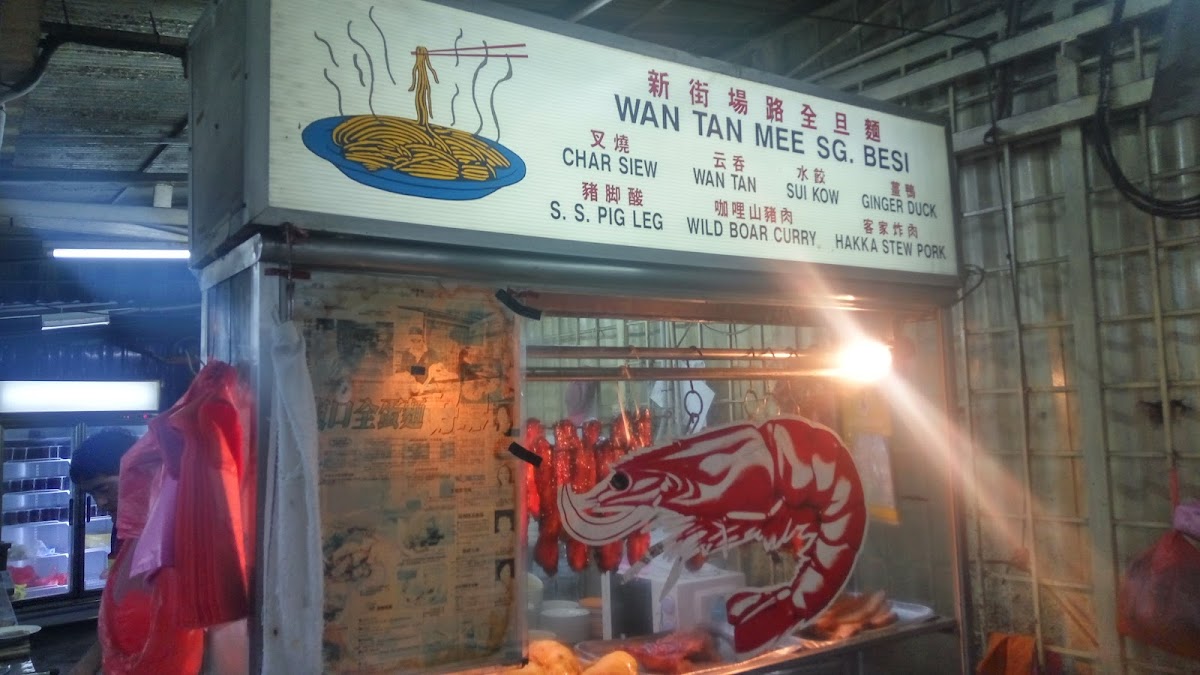
Overview
The first time I heard about Sg.besi Wan Tan Mee, it was from a Grab driver who swore this spot was worth every minute stuck in Chan Sow Lin traffic. Curious and hungry, I made my way to the area around 302 & 304, 302, Jln Sungai Besi, right in the heart of 57100 Kuala Lumpur, Federal Territory of Kuala Lumpur, Malaysia. What I found wasn’t a flashy café or a hyped-up chain, but a humble diner where the aroma of soy sauce, lard oil, and springy noodles tells you immediately that you’re in the right place.
The menu keeps things refreshingly simple, which is often a good sign. Wan tan mee here follows the classic Klang Valley style: thin egg noodles tossed until glossy, topped with char siu slices and served with plump dumplings in a clear, comforting broth. From my experience eating wan tan mee across Kuala Lumpur, the key difference always lies in noodle texture and sauce balance. Here, the noodles are noticeably springy, a result of careful blanching and quick tossing, a method many seasoned hawkers swear by. According to culinary research published by Universiti Putra Malaysia on traditional Chinese noodles, cooking time differences of even 10 seconds can change texture dramatically, and you can taste that precision in every bite.
One thing regulars often mention in reviews is consistency. I visited twice on different weeks, once during a busy lunch rush and once mid-morning. Both times, the flavor stayed spot on. That reliability matters. The sauce isn’t overly sweet, which aligns with modern preferences noted by the Malaysian Gastronomic Association, where surveys show diners increasingly favor savory-forward profiles over sugary ones. The char siu leans more traditional than caramelized, with a mild smokiness rather than heavy glaze.
I chatted briefly with the uncle running the stall, who shared that the recipe has barely changed over the years. He sources noodles daily from a local supplier in Sungai Besi and insists on making the wan tan filling fresh every morning. That hands-on process is something you can taste. The dumplings are juicy, with a pork-to-prawn ratio that gives sweetness without overpowering the soup. It reminded me of a case study I once read from the World Street Food Congress, which highlighted how fresh preparation is one of the biggest drivers of customer trust in small eateries.
Location-wise, being near Chan Sow Lin makes it popular with office workers and mechanics from nearby workshops. Parking can be tricky during peak hours, which is a limitation worth noting, but many customers simply walk over or grab takeaway. The diner setup is basic, clean, and functional. You come here for the food, not the décor, and that honesty adds to its charm.
What stood out most for me was how this place bridges generations. Younger diners sit scrolling through phones while older regulars chat with the owner, all bonded by a shared love for good noodles. In a city overflowing with food options, that kind of loyal following doesn’t happen by accident. It’s built on years of doing the basics right, listening to feedback, and sticking to proven methods.
If you’re someone who judges a place by real-world experiences rather than hype, this spot delivers. It may not carry awards like Michelin Bib Gourmand listings, but many respected local food writers, including contributors to The Star’s food column, have pointed out that long-standing neighborhood stalls often outperform trend-driven eateries in taste and value. Based on repeated visits and countless bowls across Kuala Lumpur, I’d say this is one of those quietly dependable places that earns its reputation bowl by bowl.
Good to know
Service options
✓ Outdoor seating ✓ On-site services ✓ Takeaway ✓ Dine-inPopular for
✓ Breakfast ✓ Lunch ✓ Dinner ✓ Solo diningAccessibility
✓ Wheelchair-accessible car park ✓ Wheelchair-accessible seatingOfferings
✓ Late-night food ✓ Quick bite ✓ Small platesDining options
✓ Breakfast ✓ Brunch ✓ Lunch ✓ Dinner ✓ Seating ✓ Table serviceAmenities
✓ ToiletAtmosphere
✓ CasualCrowd
✓ GroupsPlanning
✓ Accepts reservationsPayments
✓ Cash onlyChildren
✓ Good for kidsParking
✓ Free of charge street parking ✓ Free parking lot ✓ Paid parking lotPhotos
1 / 4
Location
Reviews
- No ratings yet 1811 reviews
The Wan Tan Mee is delicious. Very traditional Chinese taste by local Chinese. Super thin wan tan mee and the Char Siew is the perfect match. The meat of Char Siew is just good with enough fatty part and meat. Not over fatty. The taste is charcoal grill with soy sauce. The big portion is So big !!!! Small portion just enough to fill up for a meal. I also tried the roasted duck and roasted port. So yummy and I believe they well made the ingredients to pickle it. Always pass by the road side stall will full house in the night to midnight session.
Good Chinese food restaurant. Tried Char Siew WanTan Mee and Wanton soup. Wanton soup was the best Wanton soup I ever had. Very fresh and tasty. Char Siew Noodles was bit sweet than I liked but good . Cild Long Sui was good also. Costed around RM 11.50. Nice place to try. Overall good place for char siew and Wanton soup. Can park outside and peaceful.
Recommended Curry Wild Boar wan tan mee, not spicy,but it is delicious. Fried Dumplings and roasted pork wan tan mee is acceptable compared to curry wild boar wan tan mee.
The wantan mee was quite tasty, especially the char siew and wantan. This roadside restaurant stays open until late, making it a convenient dining option. However, parking can be challenging due to its location along the main road, and the prices are slightly higher than other restaurants.